Emin Mathers: Developing “NØVA III” as an Artistic Research

Emin Mathers is a Berlin-based conceptual photographer from Azerbaijan.
His work “NOVA III” is an artistic exploration of an imagined exoplanet. Emin explains: "the project invites viewers to engage with uncertainty, scale, and the unknown, essential conditions for any genuine discovery."
The project does not aim to replicate outer space but seeks to foster a sense of “cosmic consciousness” allowing us to keep the wonder of exploration and imagination within our engagement with space.
The idea for NØVA III did not emerge as a single concept, but gradually formed over years of observation, speculation, and sustained attention.
What began as an intuitive fascination with distant planetary systems evolved into a long-term artistic research project that treats exoplanets not as targets of conquest, but as conceptual territories. Spaces where imagination, science, and cultural projection intersect.
NØVA III is an artistic-research project that rethinks outer space as a domain of imagination, observation, and cultural experience. Using the language of astronomy, scientific hypotheses, and visual documentation, the project explores exoplanets as possible configurations of future worlds not for occupation, but for understanding. It operates at the boundary between scientific reasoning and artistic thinking, where observation becomes a creative act and imagination functions as a research instrument.
Method of travel between the Solar System and the NØVA III Stellar System:
As time is a sense, by nullifying the sense of time within a human, without moving in three-dimensional space, the individual moves in the fourth (time) dimension. Thus, when the NØVA III stellar system, moving along the orbit of the Milky Way, coincides with the position of the Solar system, the sense of time for the astronauts is restored. As of today, we are only capable of one-way journeys since we have not yet discovered reverse movement in time, and the movement in time during the next orbit of the Solar system will return the astronauts 237 million years later.
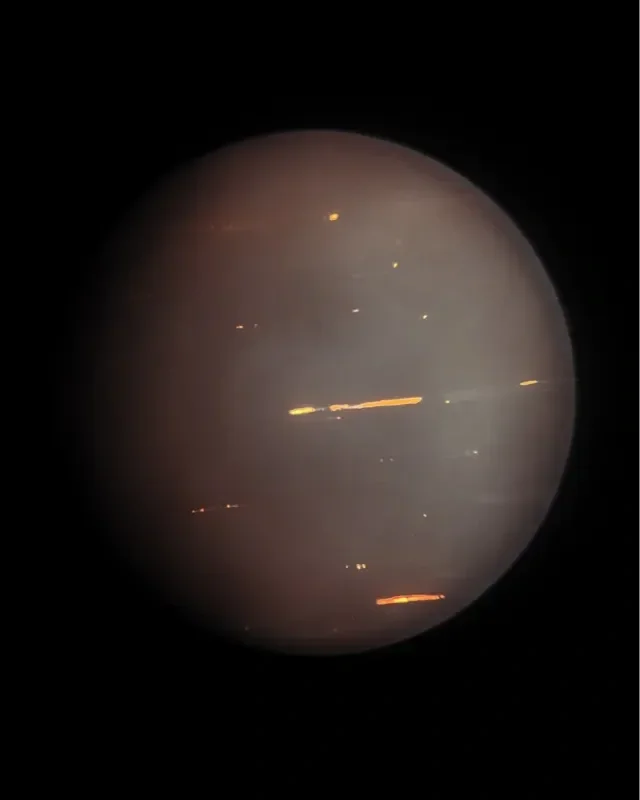
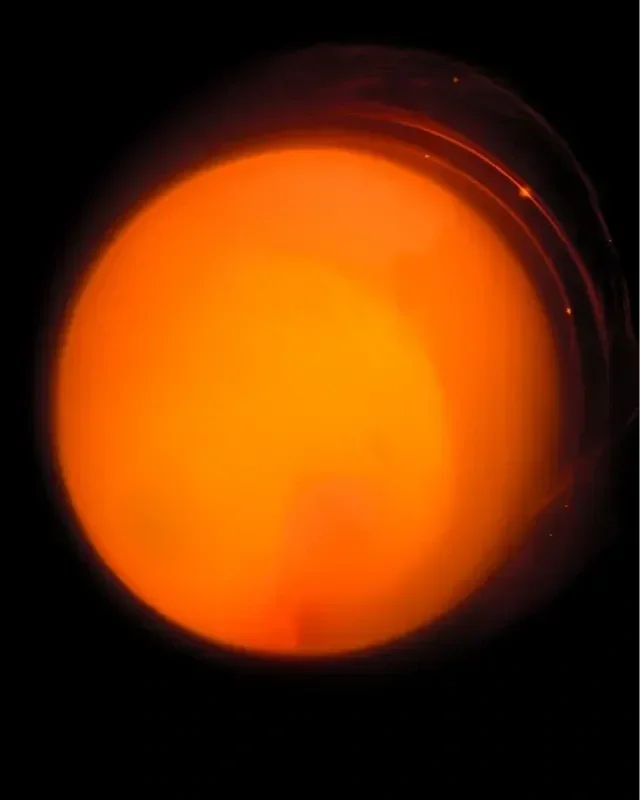

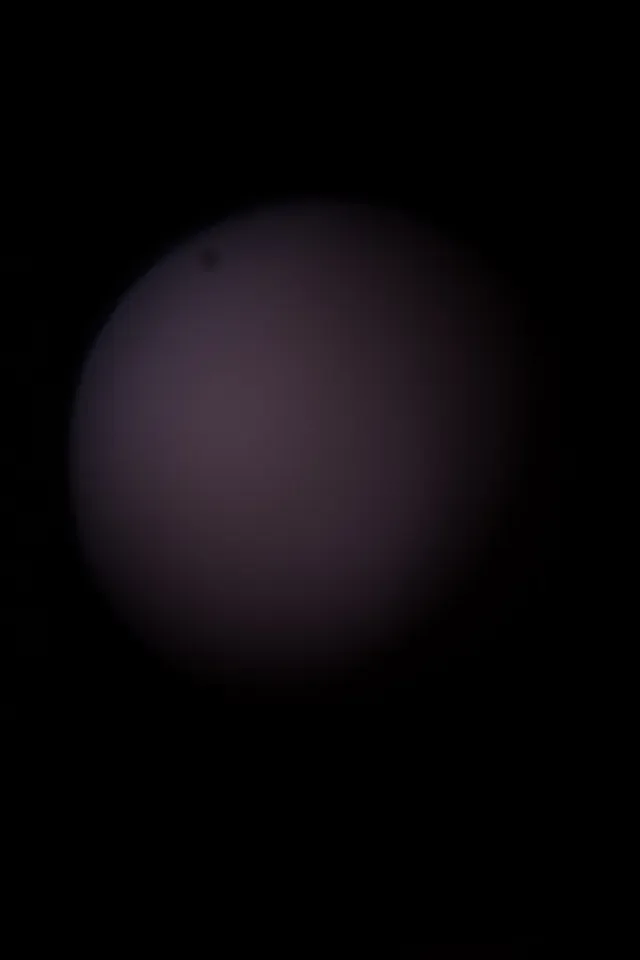
The story of ‘Exploration of Exoplanets’ began with the collapse of the eighth and closest satellite of exoplanet A0 — 3 onto its surface. For three years prior to that event, humanity collected only scattered telescope images and speculative models, the only true breakthrough being the detection of the farthest exoplanet A3 — 1. Its nearly mirror-like surface reflected cosmic darkness so perfectly that its very existence remained uncertain for a long time.
But everything changed after the impact. The gravitational ripple from the satellite’s collision awakened scientific attention. First came curiosity, then a wave of observation programs, and finally, commercial interest. A new idea emerged: to explore these ten distant worlds not only for knowledge, but also for the possibility of future cosmic engineering, constructing an artificial planet orbiting the NØVA III star using the valuable resources found within this exoplanetary system. Thus began humanity’s bold new chapter, venturing into the unexplored cosmic realms of NØVA III, where each discovery reshapes our understanding of the universe and challenges our imagination of what lies beyond.
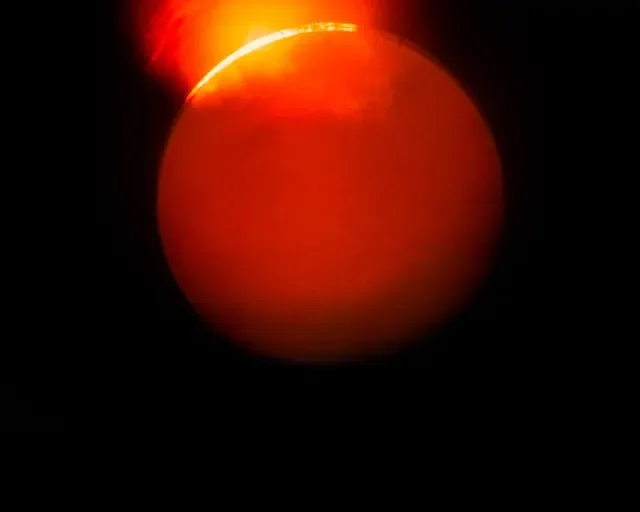
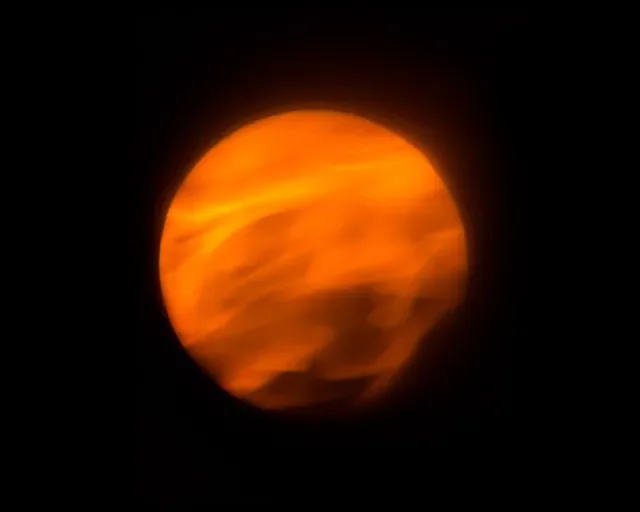
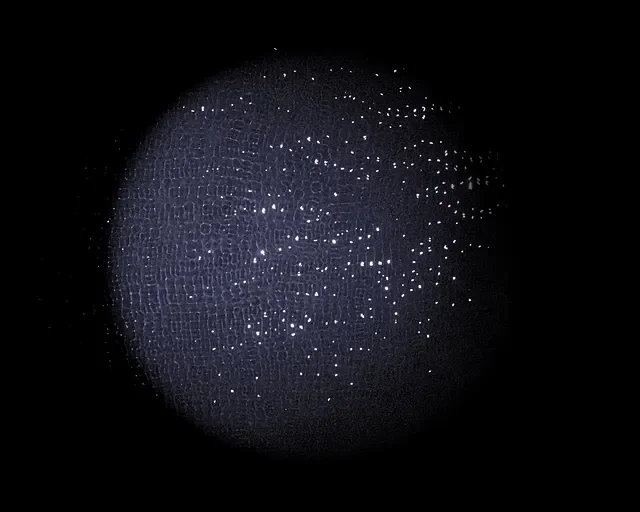
Hypothesis on extraterrestrial life forms based on the naturalistic fantasy concept of NØVA III and Sacred Geometry
Abstract: This column explores a hypothesis concerning potential extraterrestrial life forms based on the principles of the NØVA III concept and sacred geometry. The hypothesis suggests that extraterrestrial beings may resemble life forms on Earth due to shared principles of sacred geometry and a unified consciousness foundation in the universe. It proposes that variations in planetary environments could positively influence the evolution of life forms to those on Earth. As example, the current vibration background on Earth contributes to the prosperity on all continents of species, such as mice, pigeons, cats, dogs and higher evolution of humans. The hypothesis proposes the existence of analogous life forms on other planets, with evidence suggesting evolved life forms resembling Earth’s ants on exoplanet A2 — 2 and flora similar to Earth’s on exoplanet A2 — 3. This hypothesis presents an opportunity for conscious communication with what are termed “primitive consciousnesses” on Earth before seeking contact with other forms beyond its borders. Furthermore,by studying common communication frequencies on Earth, researchers may identify corresponding signs on other planets and stellar systems.
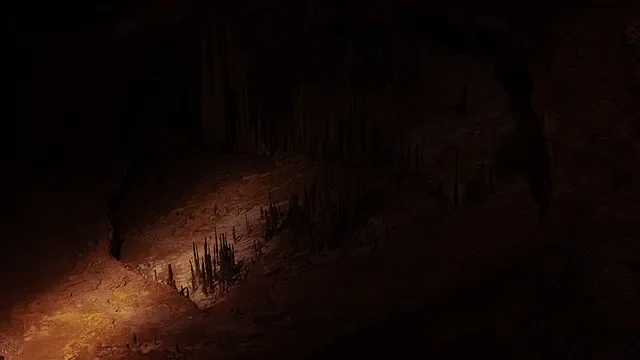
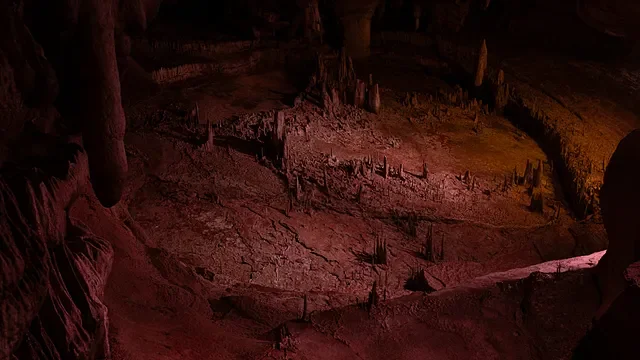
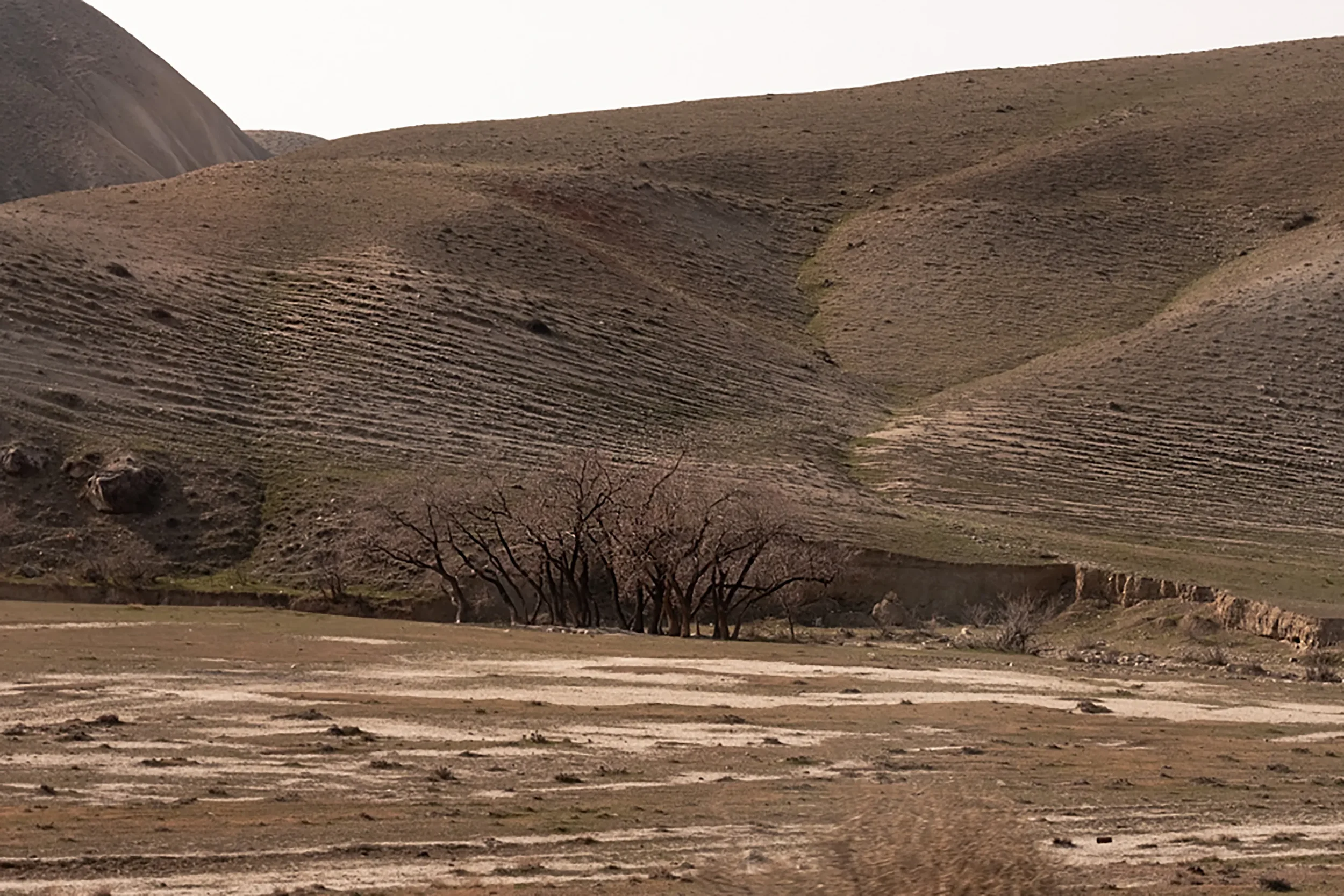


For humanity, the project serves as a cultural rehearsal for future encounters with the cosmos. It prepares perception rather than technology, offering a human-centered framework for approaching environments beyond Earth. For the individual, NØVA III functions as an internal experience: a reminder that exploration begins with attention, patience, and the courage to imagine without immediate utility.
For me, this work represents a commitment to long-duration thinking. It is a space where intuition and structure coexist, where questions are valued more than answers, and where art does not describe the world, it quietly helps bring new worlds into being.
Emin Mathers,
Earth, Solar system, 2025, 1