Dr. Emma Cain Louden : Slooh app, The Sky Was Never Meant to Be Abstract

Dr.Emma Cain Louden is an astrophysicist, policy and strategy leader and writer whose work bridges science, storytelling, and public engagement, including two TED Talks.
After graduating from Princeton University, she earned her Ph.D. in astrophysics from Yale University, where she published 18 peer-reviewed papers on exoplanet dynamics and planetary systems.
Dr.Louden currently serves as the President of Slooh, an app created to expand public access to space via a worldwide network of remotely operated telescopes.
Her work at Slooh is fueled by her profound passion for the night sky and her dedication to inspire and empower others.
There's a particular kind of grief that comes from looking up.
Not sadness, exactly. Something closer to homesickness—for a place you've never been but somehow recognize. The Greeks called it nostos, the ache for return. Astronomers don't have a word for it, but we know the feeling. That tightness in your chest when you see the Milky Way for the first time, really see it, and realize you're looking at your own address from impossibly far away.
I felt it at fifteen, during a summer astronomy program in New Mexico, the first time I tracked an asteroid through a telescope and understood that I wasn't just observing the universe—I was participating in it. The asteroid didn't care about my grades or my credentials or whether I "belonged" in science. It was just there, ancient and indifferent and available, waiting to be seen by whoever bothered to look.
We live in a strange moment for our species' relationship with the sky.
On one hand, we've never known more. We've imaged black holes. We've landed robots on Mars and listened to the sounds of their wheels on alien soil. We've catalogued thousands of exoplanets, some of them rocky, some of them temperate, some of them orbiting in that narrow band where liquid water might pool on a surface we'll never touch. The James Webb Space Telescope sends back images so detailed, so impossibly deep, that they contain galaxies no human eye has ever registered—light that has been traveling toward us since before Earth existed, finally arriving just in time to be caught by a machine we built and flung into orbit around the Sun.
We are, by any measure, a spacefaring civilization in our observational capacity. We can see to the edge of the observable universe. We can detect gravitational waves from colliding neutron stars. We can model the first few seconds after the Big Bang.
And yet.
Most people on this planet have never seen the Milky Way with their own eyes. Light pollution, urbanization, the simple architecture of modern life—these have conspired to turn the night sky into an abstraction for the majority of humanity. Something that exists on screens, in planetariums, in the background of science fiction films. A special effect rather than a birthright.
The truth is, we've built a world that walls us off from the very cosmos that made us.
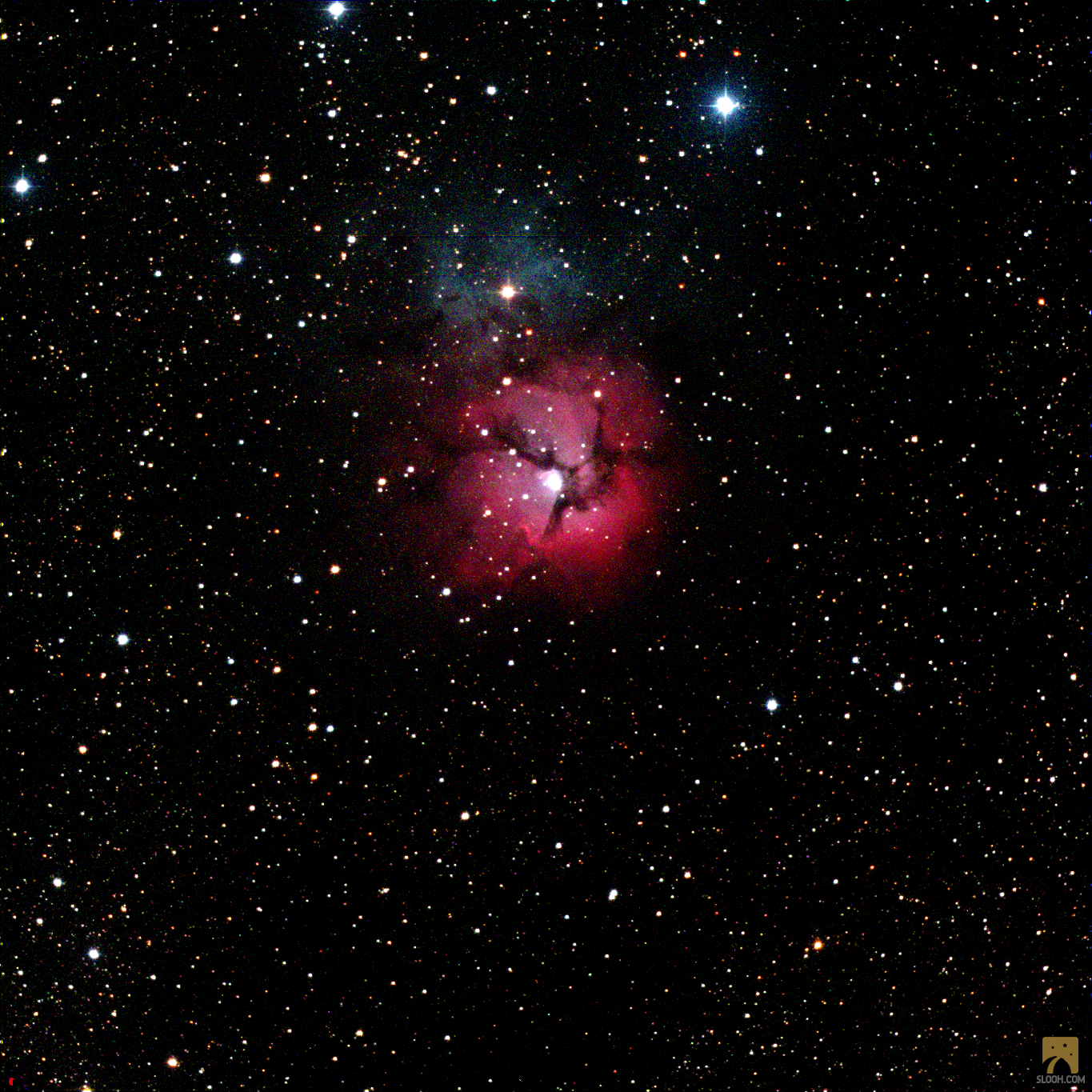
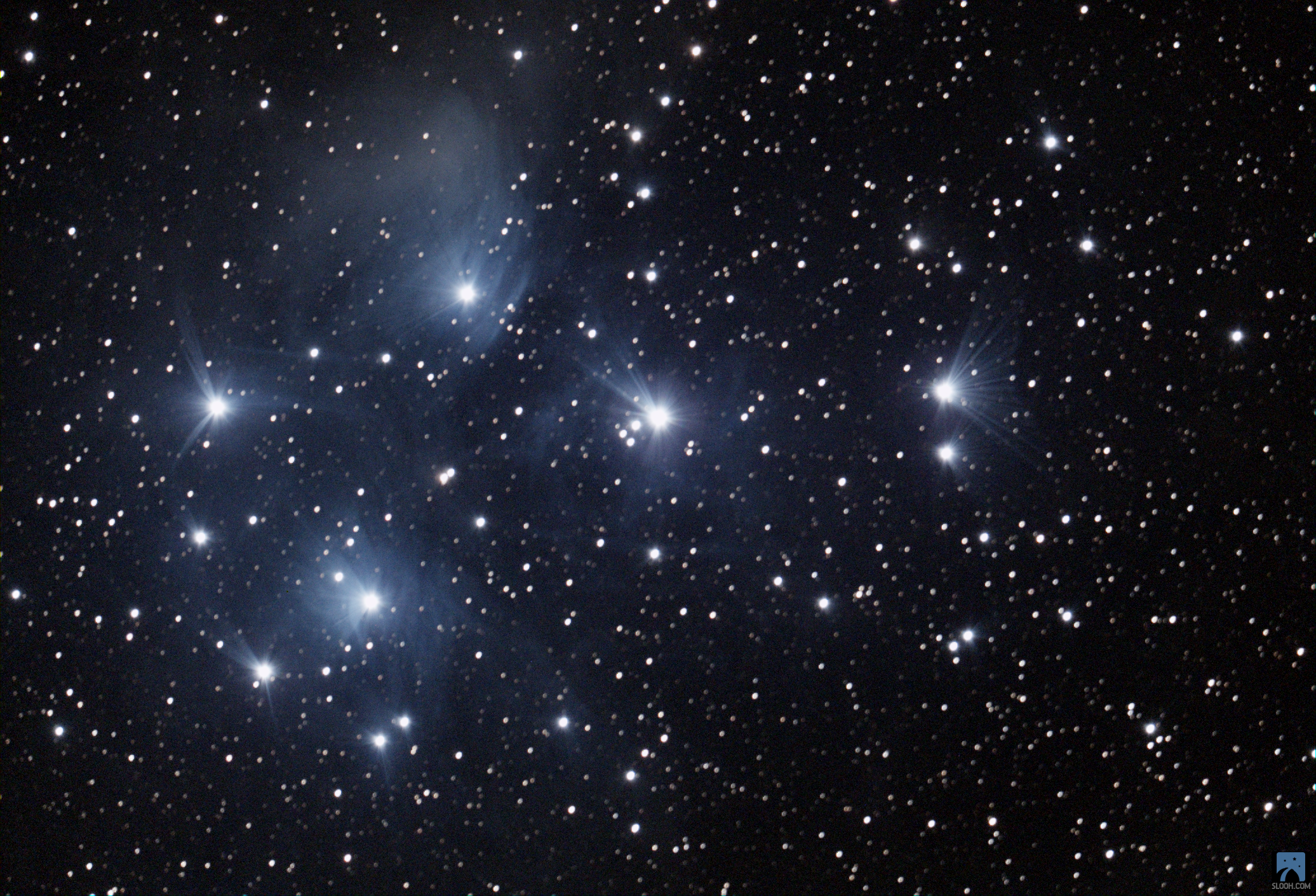
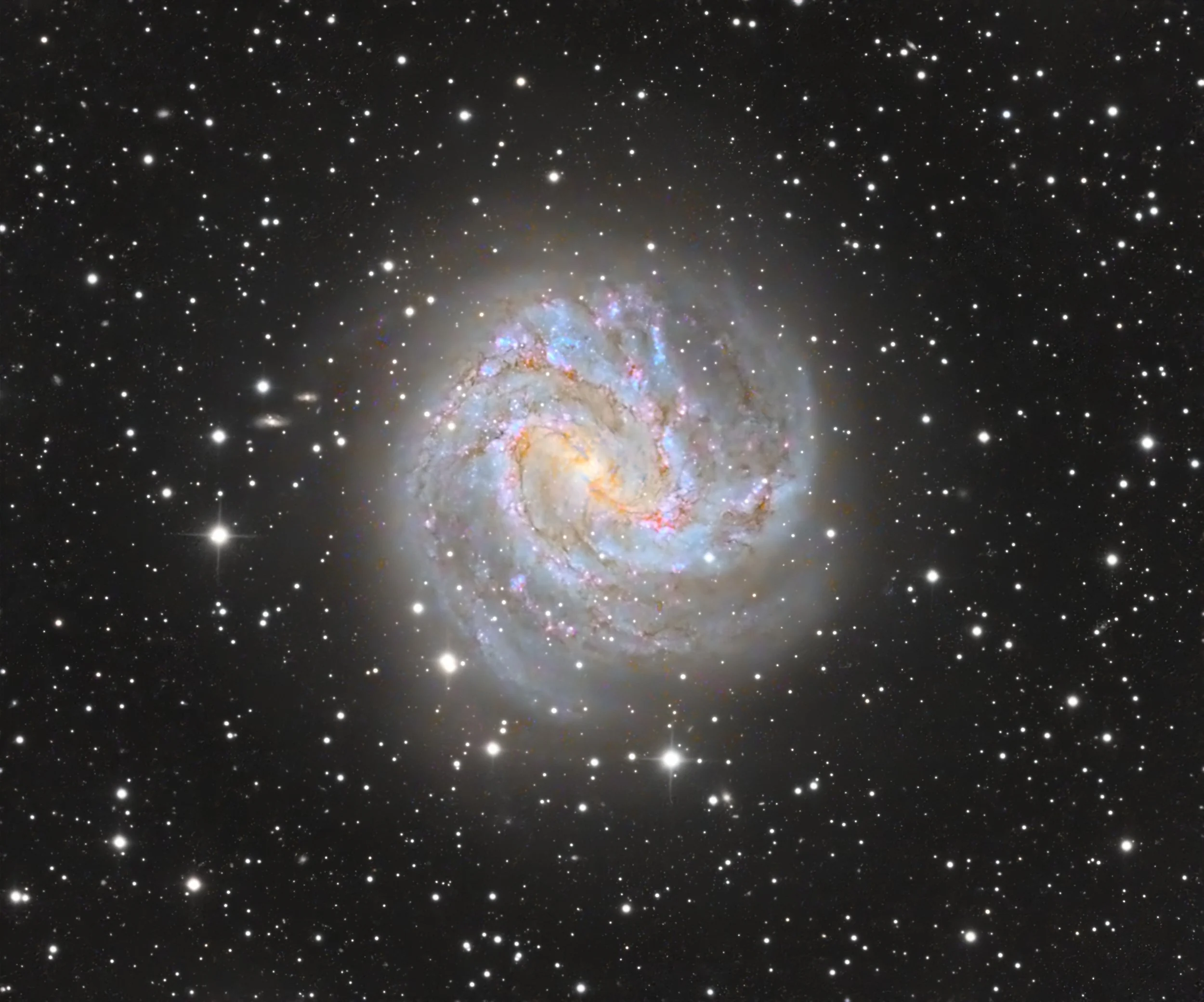
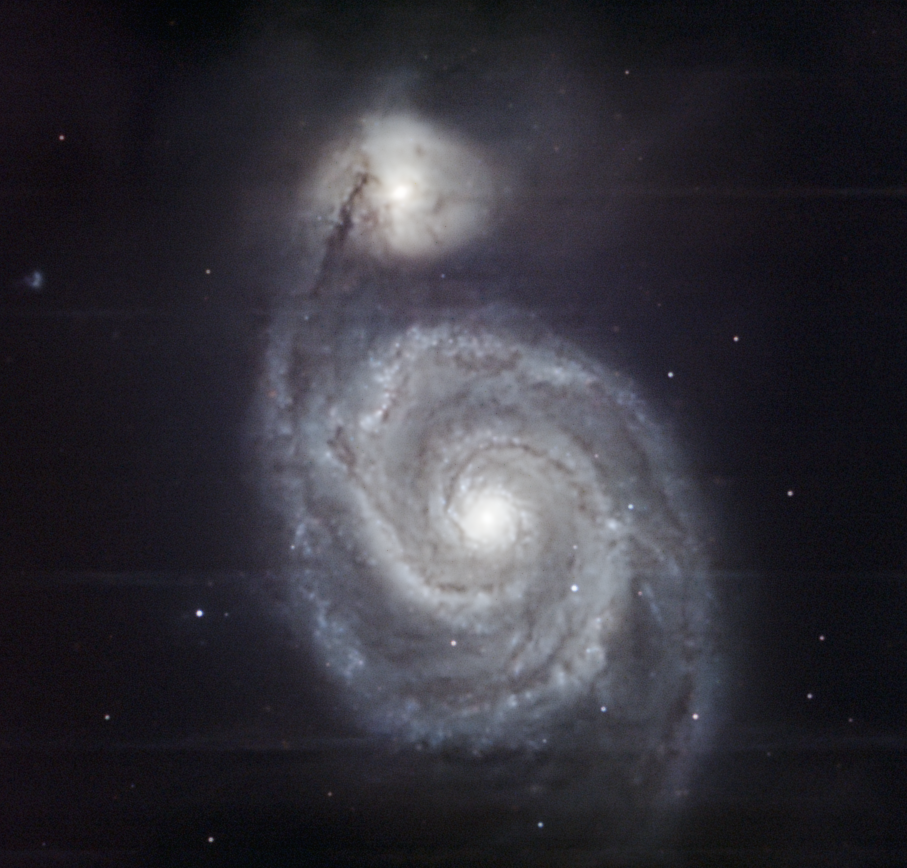
I think about this often: the strange paradox of knowing more about the universe than any generation in human history while simultaneously being more divorced from direct experience of it than almost any generation before us.
My great-great-grandmother, living in rural Missouri at the turn of the last century, would have seen the Milky Way every clear night of her life. She wouldn't have known what she was looking at—wouldn't have understood that those smeared clouds of light were billions of stars, that our solar system sat on one of the spiral arms, that the whole structure was rotating slowly around a supermassive black hole. But she would have seen it. It would have been as familiar to her as the mountains on the horizon.
Her relationship with the cosmos was intimate but uncomprehending.
Ours is comprehensive but abstract.
But the real truth is, this doesn't have to be a binary.
We don't have to choose between knowing and experiencing, between data and wonder, between understanding the universe and feeling ourselves inside it. The tools exist to close this gap—to make direct observation of the cosmos accessible to anyone with curiosity and an internet connection. The question is whether we build them. Whether we prioritize them. Whether we decide that cosmic citizenship isn't a luxury good.
This is why I do what I do.
I'm an astrophysicist by training. I spent years at Yale and Princeton studying the dynamics of exoplanetary systems, the gravitational choreography of worlds orbiting distant suns. I've published papers, won grants, contributed to the academic machinery of astronomical research. I've also sat in rooms where we discussed how to make astronomy accessible and watched the conversation quietly assume that "accessible" meant "easier to explain"— as if the problem were comprehension rather than contact.
It's not comprehension. People understand space just fine. They watch the documentaries, they share the Webb images, they feel that same tightness in their chest that I felt at fifteen.
What they lack is touch. So we built a way for them to touch it.
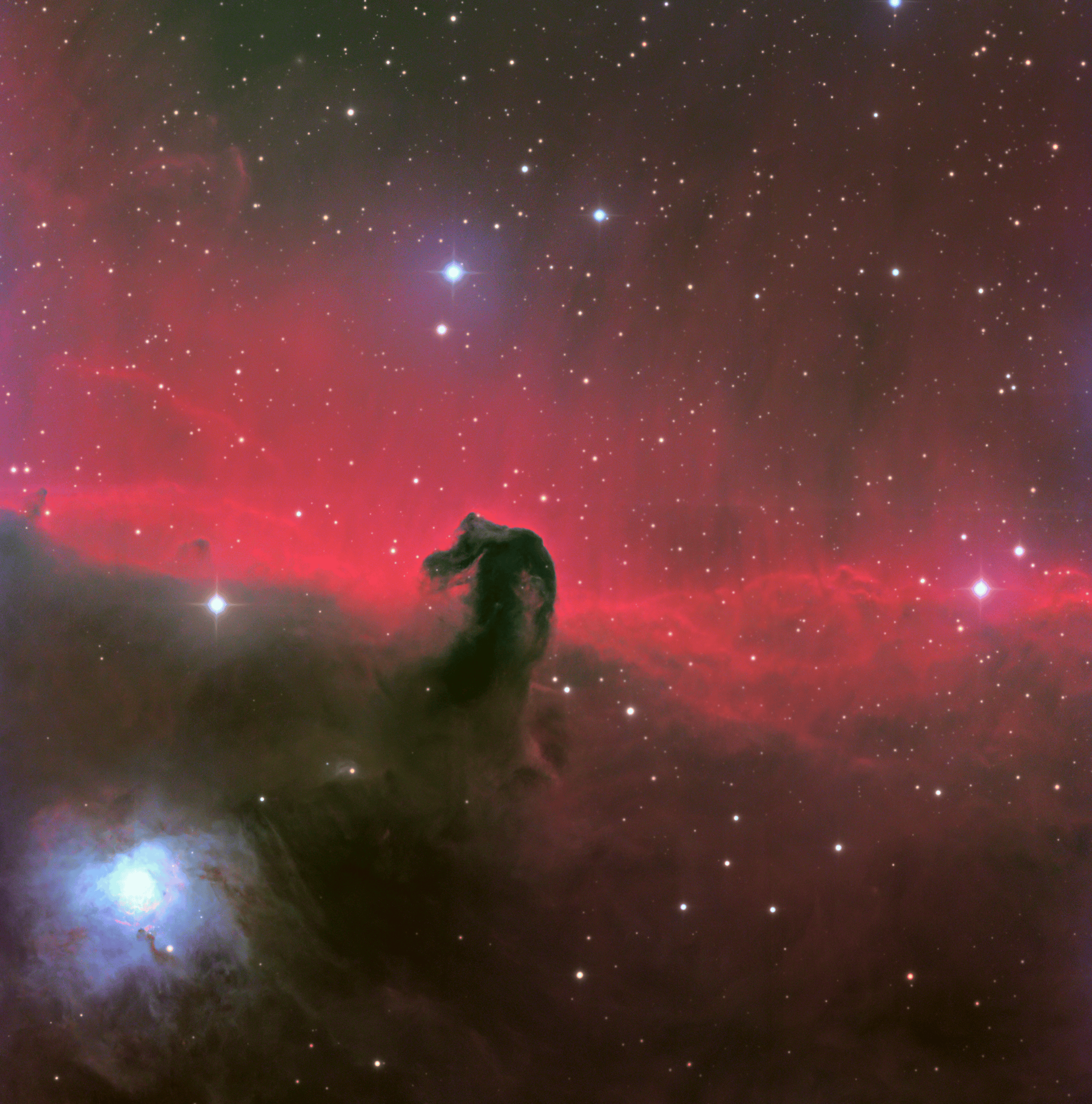
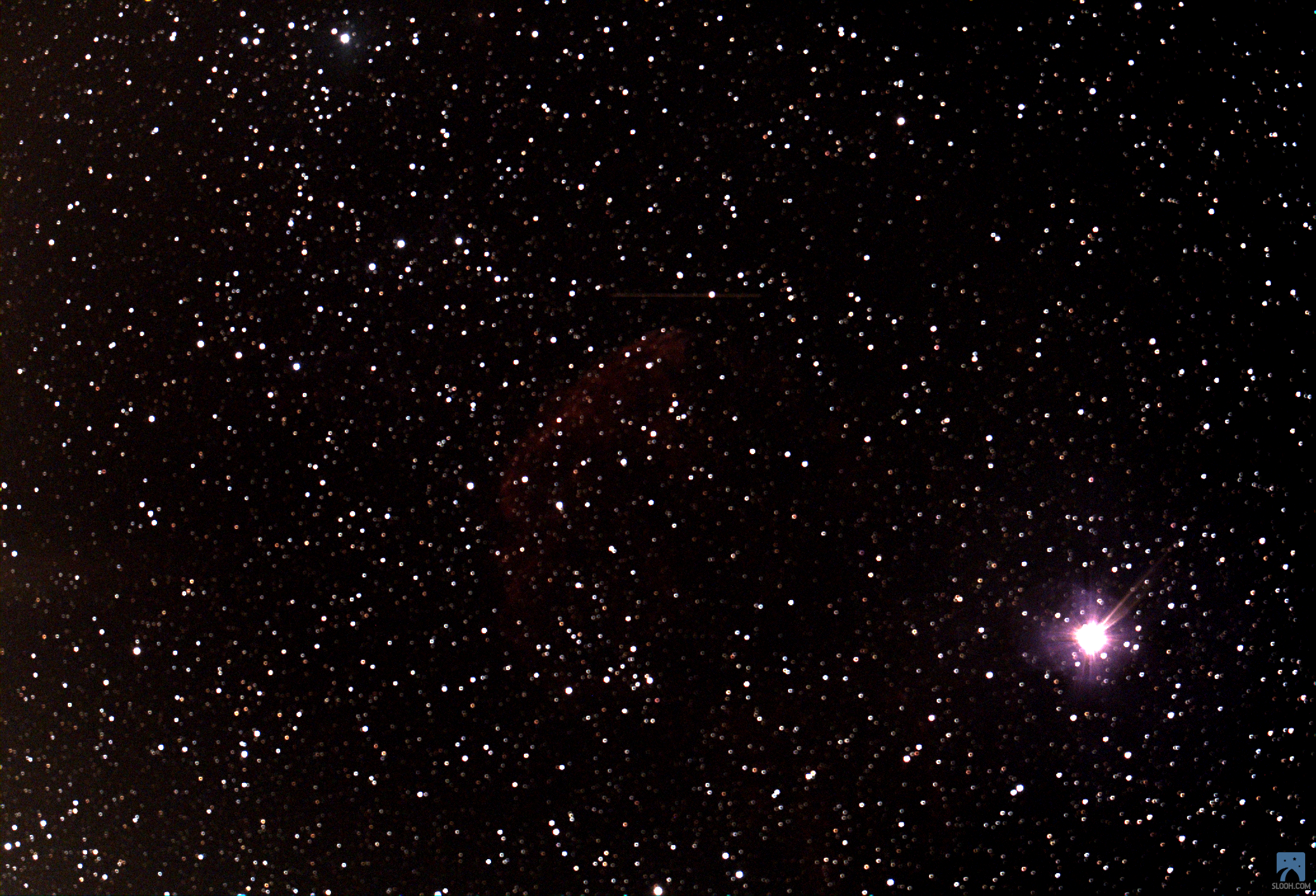
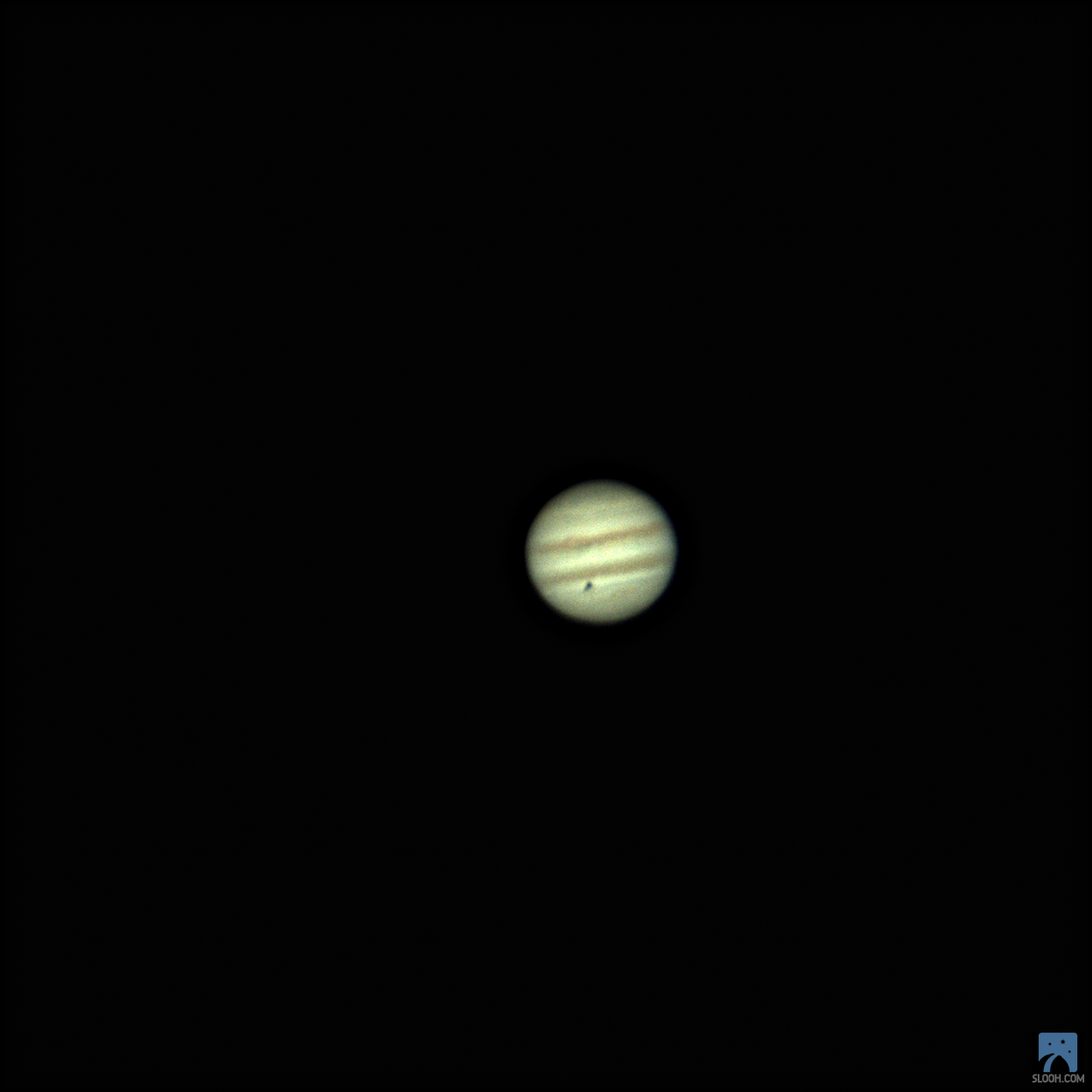
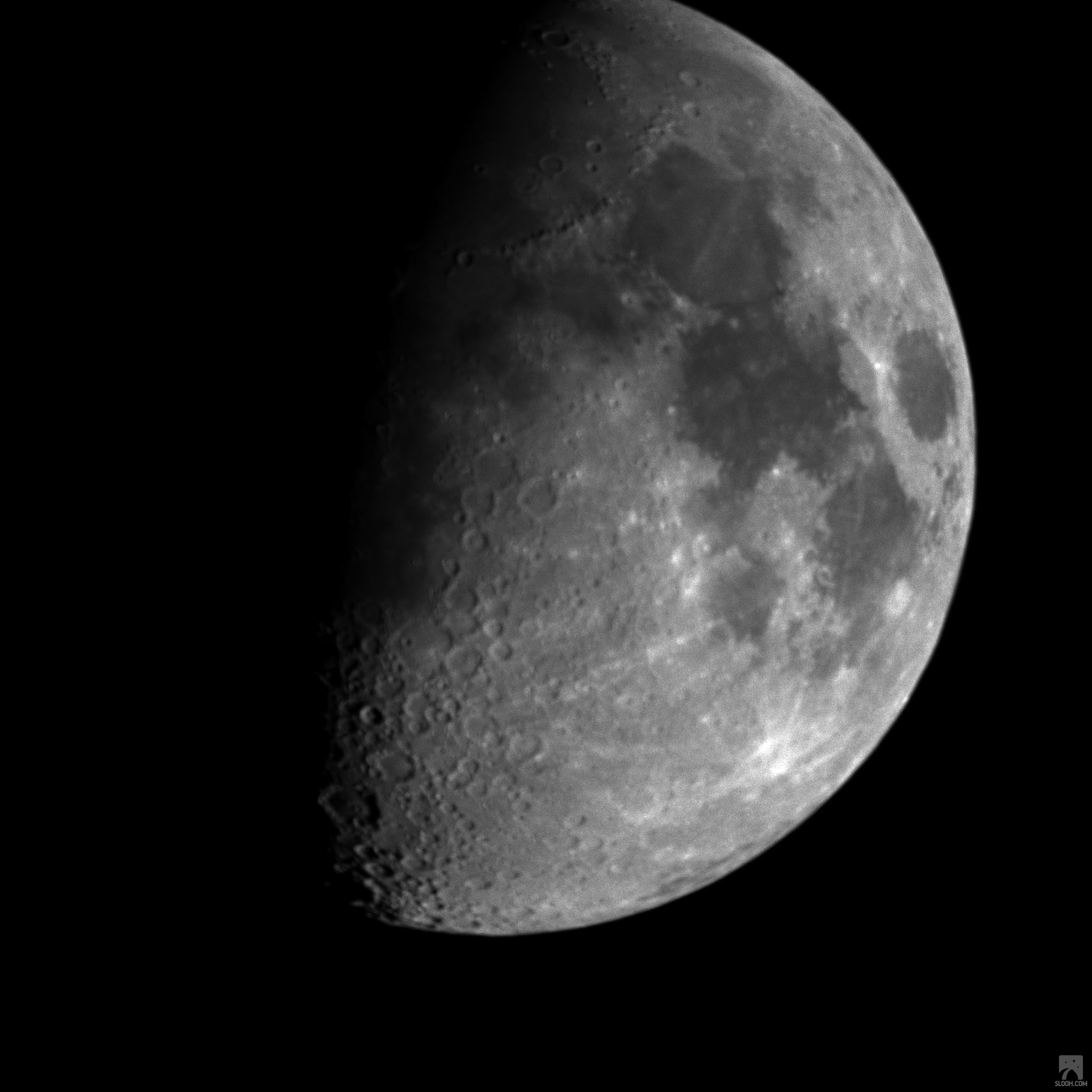
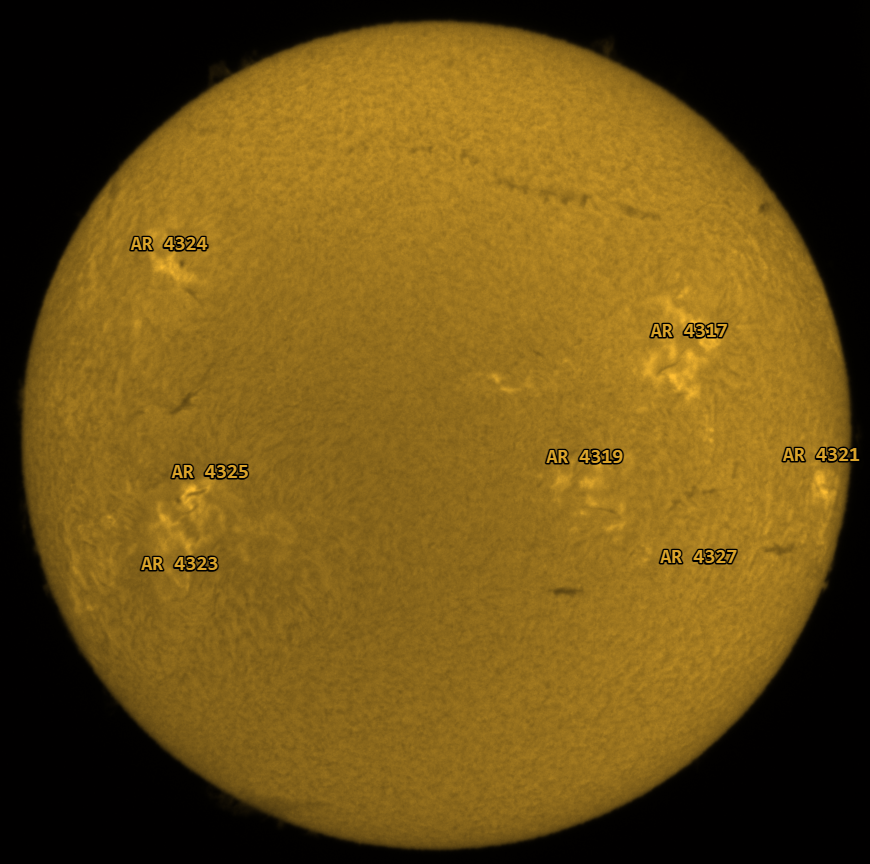
Slooh is, at its most basic, a network of remotely accessible telescopes positioned at observatory sites around the world—the Canary Islands, Chile, locations chosen for their dark skies and clear seeing conditions. Through our platform, anyone can control these telescopes. Point them at Saturn's rings or the Orion Nebula or a passing asteroid. Capture their own images. Participate in real scientific observation campaigns.
We reach across more than 60 countries. A teenager in Lagos and a twelve-year-old in rural Kansas can photograph the same galaxy on the same night, contribute observations to the same asteroid-tracking database, see their own names attached to real cosmic data. Teachers who've never had access to any telescope—let alone a research-grade instrument—can bring their students to the eyepiece.
The universe doesn't gatekeep. Light from a star a hundred light-years away will land on any retina pointed in its direction—rich or poor, credentialed or curious, living in a penthouse or a township. The light doesn't discriminate. The gatekeeping happens on our end. In equipment costs, in geography, in who gets told from an early age that science is "for them" and who absorbs the quieter message that it isn't.
Every gate we can remove, we should remove. Every barrier between a curious person and direct experience of the cosmos is a barrier that doesn't need to exist. Less than the cost of a streaming subscription. Less than a fancy coffee. That's the price of a telescope in Chile pointed wherever you want it to go.
But Slooh isn't really about telescopes. Telescopes are the mechanism. The mission is something larger: the cultivation of what I've come to call cosmic citizenship.
Here's what I mean by that. There's a mode of engaging with space that treats it as entertainment—a passive consumption of beautiful images and awe-inspiring facts, delivered to us by experts and institutions, received the same way we receive any other content. Scroll, marvel, move on. This mode has its place. The images are beautiful. The facts are awe-inspiring.
Cosmic citizenship means shifting from spectator to participant. It means recognizing that when you track an asteroid through a telescope, you're not playing at science—you're contributing real data to humanity's collective effort to understand and protect our planetary home. It means understanding that the line between "amateur" and "professional," between "student" and "scientist," is far blurrier than our institutions suggest.
I grew up in Park City, Utah, raised between a pastor's heart and a professor's mind—my family held space for both rigorous inquiry and the kind of wonder that doesn't need equations to justify itself. I think that's why I've always resisted the false choice between knowing and feeling, between analysis and awe.
The best scientists I know are the ones who've kept both capacities alive. Who can spend all day on orbital mechanics calculations and then step outside at night and feel their breath catch at the sight of Jupiter. Who understand that precision and wonder aren't opposites—they're dance partners.
This is what we try to cultivate at Slooh. Not just access to telescopes, but access to a way of being in relationship with the cosmos that honors both the rigor and the reverence. We want students to learn the science and feel the feeling. To understand orbital resonance and experience the vertigo of deep time. To contribute real data and have their breath catch.
There's a concept I've been developing in my other work—writing, speaking, trying to articulate something I've felt for a long time but only recently found words for. I call it practical hope.
Practical hope isn't optimism. Optimism is the belief that things will turn out well. Practical hope is the commitment to act as if your actions matter, regardless of whether you can guarantee outcomes. It's what you need when the problems are too big for certainty but too important for despair.
Climate change requires practical hope. So does pandemic preparedness, nuclear risk reduction, the long-term flourishing of human civilization. These are problems where the sheer scale can paralyze—where the gap between individual action and systemic change seems unbridgeable, where despair feels more rational than engagement.
Cosmic perspective, I've found, is one of the best tools for cultivating practical hope.
Not because it makes our problems seem small. The "pale blue dot" framing can tip into nihilism if you're not careful—nothing matters, we're just a speck, why bother. That's not what I mean.
What I mean is that cosmic perspective reveals the improbability and preciousness of what we have. That against all odds, on this particular rock, in this particular configuration of atoms, something unprecedented emerged: matter that can contemplate itself. That's us. That's what we are.
And when you really feel that—not just know it, but feel it—the question shifts. It's no longer "why bother?" It's "how could we not?" How could we not protect this improbable flowering? How could we not extend its reach, deepen its understanding, ensure its continuity? How could we not try?
Slooh is, in its own way, an instrument of practical hope.
Every student who tracks an asteroid is learning that their observations matter—that they can contribute to planetary defense, to the collective human project of understanding our cosmic neighborhood. Every teacher who brings their classroom to a telescope is demonstrating that science isn't a spectator sport. Every image captured by a curious person who has never been told they "belong" in astronomy is a small act of defiance against the gatekeeping that has kept cosmic citizenship confined to the privileged few.
We're not going to solve climate change by looking at the stars. We're not going to feed the hungry or house the unhoused by photographing galaxies. I'm not naive about this.
But we might—we just might—cultivate the kind of perspective that makes those efforts sustainable. The long view. The deep time view. The understanding that we're part of something vast and ancient and ongoing, and that our choices ripple forward into futures we'll never see.
That's the bet, anyway. That's the hope.
The sky was never meant to be abstract.
For most of human history, it wasn't. It was a window, a map, a story, a reminder. Our ancestors navigated by it, planted by it, built their mythologies around it. They didn't understand what they were looking at—didn't know the distances, the physics, the staggering scales of time and space—but they understood that they were looking at something important. That the lights above were part of the same reality as the ground below. That the cosmos included them.
We've lost that, mostly. Modernity has given us screens and streetlights, walls and ceilings, an architecture of interiority that makes it possible to go weeks or months without genuinely looking up. We've turned the universe into content and ourselves into consumers.
But it doesn't have to stay that way.
The tools exist to reconnect. The telescopes are online, waiting.
Dr. Emma Cain Louden (@exoplanet_emma), 2026